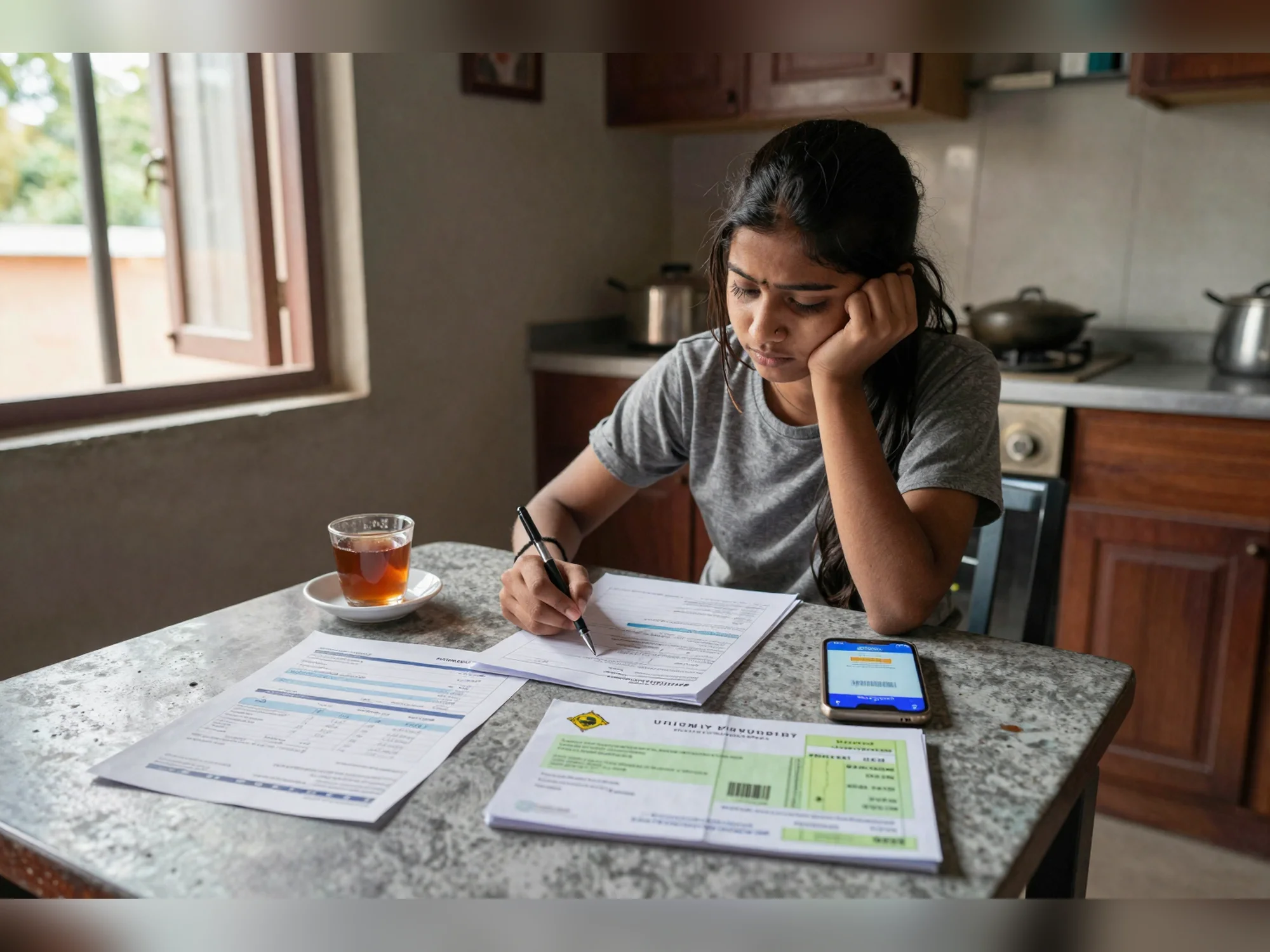
Pragati Priya sat at her kitchen table in Jharkhand with admission letters, a tuition invoice and a spreadsheet of possible loan payments, and realized the numbers no longer added up. The Indian rupee has fallen more than 10% against the US dollar in the past year, raising the cost in rupee terms for students who borrow to pay tuition and living expenses abroad. More than 1.2 million Indian students were enrolled in higher education overseas in 2025, and recruiters, admissions teams and placement agents report a pullback as a weaker currency and tougher visa rules squeeze finances and job prospects. Admissions teams and recruiters are already planning for a smaller September intake and expect published autumn data to confirm the trend.
Inside a cramped university admissions office in New Delhi, counsellors are recalculating likely intakes as would-be applicants phone to ask whether they should delay or cancel plans to study overseas.
Currency squeeze
Students and their families are scrambling to rework budgets after the rupee’s slide. Many applicants borrow in rupees and pay fees and living costs in foreign currencies, which makes a weaker rupee an immediate, measurable hit to household finances. For families like Priya’s, who had prepaid part of tuition and arranged loans for the rest, the recent depreciation has turned a manageable loan schedule into a heavier burden.
Placement agents and student counsellors say the rupee has fallen more than 10% against the US dollar over the past year. Sushil Sukhwani, founder of Edwise International, calculated that the rupee has depreciated between 35% and 47% against the currencies of major study destinations since 2019, a range he used to explain the scale of rising costs for Indian households. That longer run figure is Sukhwani’s calculation and not an official central bank number.
Edwise International, a major student placement agency, reports that enrolments to the UK and US have fallen roughly 20% over the last two years, and the agency expects a further 10 to 15% drop from those levels going forward. Universities in the UK told surveyors that 76% reported a decline in Indian enrolments for the January intake. US enrolments from India fell nearly 7% between February 2025 and February 2026.
Those shifts matter because many applicants factor expected post-study work into their decision to borrow. When the rupee weakens, the rupee cost of pursuing a degree abroad rises immediately, and the payback math that hinged on overseas salaries becomes less certain.
Visas and post-study prospects
Visa and immigration policy changes in destination countries have compounded the financial squeeze. Recruiters and admissions staff say tighter visa requirements and stepped-up enforcement in the UK and the US have reduced the perceived likelihood of securing post-study work options, which many applicants count on to service loans.
That perception is already deterring applicants, according to placement agents and student counsellors. Some recent graduates who found employment overseas have seen incomes rise, but those stories are uneven and aren't offsetting the broader decline in applications, agents say.
For students already overseas the problem is immediate. Many had prepaid part of their fees but are now refinancing loans or arranging fresh funds to meet future instalments after the rupee’s recent slide against major currencies. Counsellors report rising calls from students seeking advice on refinancing, emergency transfers and whether to return home temporarily to reduce living costs.
Admissions teams and recruiters are adjusting their forecasts. Several placement agencies are advising applicants to consider shorter programs, alternate destinations with lower living costs, or programs with stronger scholarship or on-campus work options. But those adjustments don't erase the central squeeze: a weaker rupee and tighter visa regimes make the overall proposition of studying abroad more expensive and riskier for many middle-class Indian families.
Outside the counselling rooms, the numbers tell the same story. More than 1.2 million Indian students were enrolled in higher education abroad in 2025, making India the largest source of international students. The scale of that cohort means shifts in application patterns can ripple through university admissions and the recruitment businesses that serve them.
Admissions teams and recruiters say they expect further published enrolment data for the autumn cycle to confirm the decline they're already seeing in recruitment surveys and placement-agent forecasts.
Related Articles
Universities and recruiters are planning for a smaller September intake.
AI Generated

